Nemba station lies in the northern province of Kayanza. Nemba is managed and led by an agronomist. The agronomist oversees the implementation of Good Agricultural Practices (GAPs) and farmer education. They collaborate with the producers to ensure they have access to the necessary farming tools. The agronomist also helps farmers determine and implement the practices best suited to the specific growing conditions of their farming plots.
All 1,074 producers are smallholders who own an average of 150 coffee trees. The farms delivering cherry to Nemba are all located around 1,700+ meters above sea level, near the Kibila forest. The washing station has over two hundred drying tables and can process up to 750 metric tons of coffee cherry annually. Nemba uses a monitoring system to ensure traceability all along the production and processing chain.
The washing station participates in a number of farmer outreach and support projects centered on strengthening communities and improving yields.
Cultivation
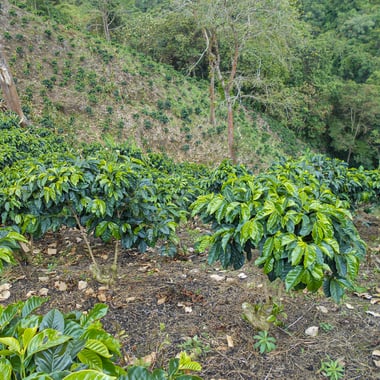
Many trees in Burundi are Red Bourbon. Because of the increasingly small size of coffee plantings, aging rootstock is a very big issue in Burundi. Many farmers have trees that are over 50 years old, but with small plots to farm, it is difficult to justify taking trees entirely out of production for the 3 to 4 years it will take new plantings to begin to yield. In order to encourage farmers to renovate their plantings, Greenco purchases seeds from the Institut des Sciences Agronomiques du Burundi (ISABU), establishes nurseries and sells the seedlings to farmers at or below cost. At the washing station, farmers can also get organic fertilizer derived from composted coffee pulp.
Despite the ubiquity of coffee growing in Burundi, each smallholder produces a relatively small harvest. The average smallholder has approximately 250 trees, normally in their backyards. Each tree yields an average of 1.5 kilos of cherry so the average producer sells about 200 to 300 kilos of cherry annually.
This coffee is IMPACT verified, ensuring that agricultural practices give priority to environmental protection and support of biodiversity.