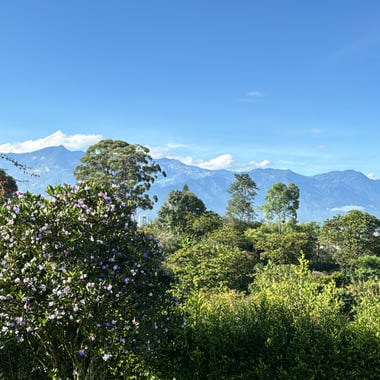
Rubagabaga washing station, established in 1992, is located on the sub-hill of Butare in the Kayanza region. The station is operated by Greenco and processes cherries from about 2,700 local farmers, each cultivating small plots of land. The area is known not only for its coffee but also for its abundant banana crops, from which it derives its name—“umubaga,” a reference to the traditional banana brew made in the region. The sub-hill is also famed for its rich clay deposits, used to produce tiles and bricks for local homes. Rubagabaga station has earned a reputation for its commitment to quality and certification standards.
Cultivation
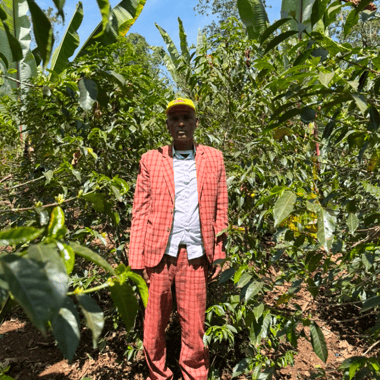
The coffee in this lot is grown by smallholder farmers in Kayanza, at elevations between 1,600 and 1,900 meters above sea level. Each farmer typically manages an average farm size under 1 hectare, cultivating Red Bourbon variety. The high altitudes, fertile soils, and ideal climate conditions contribute to the development of complex flavors in the coffee, enhancing its sweetness, acidity, and aromatic profile.
This coffee is IMPACT verified, ensuring that agricultural practices give priority to environmental protection and support of biodiversity.
Harvest and Post-Harvest
During the harvest season, cherry is handpicked by farmers, who meticulously select ripe cherry from their crops. Most farmers have small plots, and harvesting is done almost entirely by the family. Once delivered to Rubagabaga washing station, cherry undergoes meticulous sorting using both flotation and hand-sorting to ensure the highest quality. During flotation, cherry is submerged in water to separate any underripes, while denser cherry is further handpicked for any visual defects at the sorting table.
Cherry is then pulped, and coffee is washed in clean water. Parchment is then dried on raised beds for approximately two weeks. Workers rake the parchment regularly to ensure even drying, resulting in a clean, consistent coffee that reflects the best of the region’s growing conditions.