Ethiopia

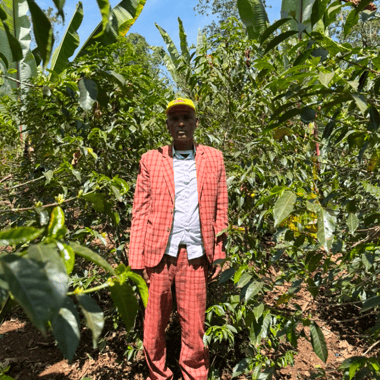
Seid Kemal

Washed process Kurume, 75227, Merdacheriko
Flavour: lemon myrtle, orange peel, mandarin
Body:     Acidity:

Gera

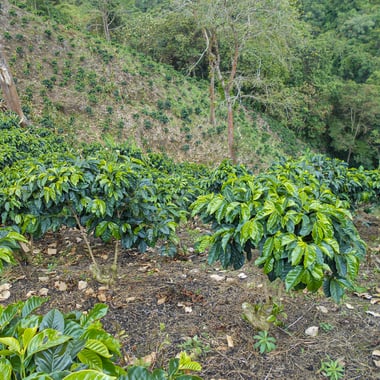
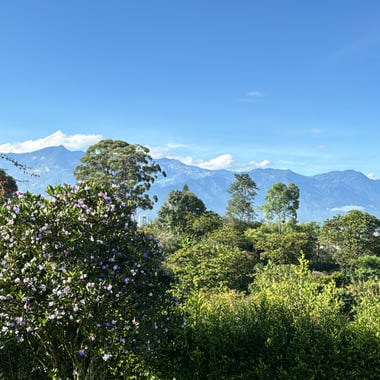
The southwestern part of Ethiopia is renowned as a center of Arabic coffee origin and diversity. Gera Woreda (County) in the Jimma zone is notable for its natural forest, where the predominant production system is semi-forested coffee. Coffee farmers around Gera own significantly larger coffee farms compared to those in the southern regions of Ethiopia

Seid Kemal was born in Sedi village, a small town known for its coffee production and proximity to the national coffee research center, Gera Research, which specializes in coffee berry disease and genetic conservation research. Growing up in a coffee farming family and observing coffee researchers daily, Seid developed a strong motivation to pursue a career in coffee farming and trade. As one of the older children in his family, he was responsible for helping his parents with all aspects of coffee farming and trading activities. Like most coffee farmers in Ethiopia, they sold their red coffee cherries to local collectors (Akrabis) and private washing stations at lower prices.

Production

As Seid expanded his coffee business network by working closely with Akrabis and washing stations, he learned a great deal and began figuring out how to secure financial resources to establish his own coffee washing station. He secured a loan from a bank in Agaro town, which enabled him to build a coffee washing station in Sedi in 2016. Seeking independence, he shared a portion of his parents’ coffee farm, inheriting a total of 60 hectares in Sedi village. He subsequently collaborated with other coffee farmers in Chawra to process their red coffee cherries at his washing station. Seid now works with over 40 smallholder coffee farmers and pays a second payment to registered and permanent suppliers of coffee to his station.

G Broad connected with Seid through Getu Bekele’s farm in Chawra, giving Seid the opportunity to acquire some of Getu’s coffees, which were blended into a macro lot and sold as Gera Washed coffee. Condesa has been buying coffees from Gera and Goma counties in the Jimma zone for a few years. This year marks the first arrival of Seid’s coffee from Sedi village in Gera Woreda in Australia. Sedi produces both grade 1 and grade 2 washed coffees, collected from coffee berry disease-resistant varieties, namely 75227 and Merdacheriko.

Processing

Freshly picked coffee cherries are meticulously sorted to eliminate any unripe, lighter, overripe, or insect-damaged fruit, retaining only fully ripe red cherries. The pulping process is carried out using a locally made Agard pulper. Subsequently, the coffee is soaked in water between 60 and 72 hours during wet fermentation, depending on the ambient temperature. During the first 24 hours, the water is replaced every 12 hours, and then every 24 hours for the remaining 48 hours. The fermentation process is complete when the mucilage is fully removed, which is confirmed by washing the parchment coffee with clean water.

Washed parchment coffee moves onto the skin-drying stage, where it is spread out by hand under shade for 2 to 4 hours in the morning. Following this, the coffee enters the final main drying stage. Parchment coffee is placed on a raised drying bed for 12 - 14 days, until the moisture level of the beans reaches 10.0-10.5%.

To ensure even drying, the coffee is sun-dried for two hours each morning (8.30-11.00 AM)and afternoon (3.00-5.00PM). It is covered with nylon mesh and plastic from 11.30AM- 3:00 PM to shield it from the direct midday heat. This routine is followed throughout the entire parchment coffee drying process.

Learn everything about this coffee:


Ethical, traceable sourcing

This page has all the sourcing information (variety, process, region, story, importer, and more) that our importers share with us, and give us permission to use.

The transparency helps us talk confidently about the quality and background of our product, and it helps you know exactly what you’re buying.


Learn more:
Coffee page transparency legend
Our coffee philosophy
Our business approach

Fresh harvest coffee

We only source and roast coffee from each country’s latest harvest season (so the green coffee is never older than 1 year from the time of picking, processing and packing). This ensures the sensory qualities are always at their peak and unaffected by excessive ageing.

Roasted for espresso and filter (best enjoyed black)

Roast style: omni. Omni roasts are designed to brew and taste great both as espresso and filter. Our omni single origins generally sit on Agtron values in the ~70-60 value range. So, technically, they are somewhere in the lighter side of the medium spectrum.

Designed for espresso and filter brewing. Best enjoyed black.


Learn more:
Our Loring Kestrel S35 roaster
Our roasting style and approach

Best brewed within days 15-49 post-roast

The ‘fresh is best’ saying doesn’t apply to coffee (contrary to popular belief). Waiting before opening and brewing your bag of whole coffee beans helps develop peak flavour and acidity.

But heads up: if you buy pre-ground coffee, brew it as soon as possible.


Learn more:
Our recommended brewing window

Try our custom brewing recipes

Our recipes and ratios are tailored to our coffee sourcing and roasting styles, bringing the best flavour and feel out of each coffee.

For pour over, immersion, and other filter brewing styles, check our brew guides.
For our espresso single origins, we recommend a coffee:yield ratio of 1:3:

  • Dose: 20g ground coffee
  • Yield: 60g espresso
  • Total brew time: ~24-28 seconds

This is just a starting point! We encourage you to experiment, taste, and adjust to find the recipe that you enjoy the most.


Learn more:
Our espresso brew guide (single origin)
Brewing ratio calculator

Packaging and sustainability

  • Bags: ABA-certified home compostable (AS 5810-2010)
  • Labels: recyclable
  • Valves (only on +250g bags): general waste
  • Box and tape (online orders): recyclable

Learn more:
Our packaging

Varieties

75227 variety

An Ethiopian Heirloom (sub)variety catalogued by the Jimma Agricultural Research Centre (JARC).

Kurume variety

An Ethiopian sub-varietal that falls under the umbrella of Heirloom/landrace category, called as such in the Yirgacheffe area but referred to as Kudhum in Guji.

The location

Coffee from Ethiopia

Seen as the birthplace of domesticated coffee, there are not many more exciting times at the Sample warehouse as when our fresh Ethiopian lots arrive. Legend says it’s our favourite origin…

The Jimma region of Ethiopia

Region in the southwest that traditionally only produced commodity grade coffee. With increased exposure and education the truly great potential of this area is beginning to be realised. Can also be referred to as ‘Jimmah’, ‘Jimma’, and ‘Djimmah’

Farm processes

Washed process

Machines are used to remove the flesh from the coffee cherry before being fermented in water, washed again, and finally sun dried. This process tends to result in more distinct, cleaner flavours.

Coffee delivery: coffee in resealable bag and farm information card

Subscribe to a world of coffee

Discover a new single origin coffee from Sample every 1-5 weeks with no delivery fees.

No up-front purchase, and you can pause, cancel, or change plans at any time.

Subscribe now


Available to order online this week:

See all current coffees