Very Special
Our latest VS feature was a White Honey process from the same celebrated and ultra-experimental producer, Edwin Noreña. This VS delivery is also from him and also Gesha, but a different take on the processing and fermenting method; he calls it ‘black honey mossto IPA’.
The process is briefly detailed below (and it’s worth checking), but here’s the main wow factor: it’s a multi-stage co-fermentation process that, instead of yeasts, introduces Cascade hops.
So, technically you’ll be drinking a sort of beer… Cheers!
Black honey ‘mossto’ IPA process
1. Harvest and screening. The coffee cherries are harvested when they’re at a specific ripe point, in this case, over 20° Brix. Then, they are soaked in water for 2 hours, during which they are cleaned and sorted for any defects.
2. Low oxygen stage. The cherries are placed in a low oxygen system for 24 hours at 18-22°C.
3. Initial 72 h carbonic maceration. The coffee cherries undergo an initial 72 h carbonic maceration (also known as anaerobic natural fermentation with intact – not crushed – cherries) in 2,000 kg tanks.
This stage generates a byproduct called must (mosto/mossto or coffee cherry juice), which is collected at pH 4.0 and 12.5° Brix and mixed with Cascade Hops.
4. Depulping to black honey levels, plus 72 h maceration/co-fermentation with mossto. The cherries are then partially depulped, removing their mucilage up to black honey process levels. Then, they are macerated in 200 reactors together with the mossto (30 mL mossto per 1 kg of cherries) for 72 hours.
5. Drying for 10 days. The cherries are sun-dried in controlled-condition greenhouses for 10 days. Then, stabilised with dehydrated pulp and powdered organic cinnamon for an extra 10 days, and finally cleaned.
6. Final steps and storage. Finally, the cherries are cupped, and classified before being stored under controlled conditions at 65% RH-18°C media.
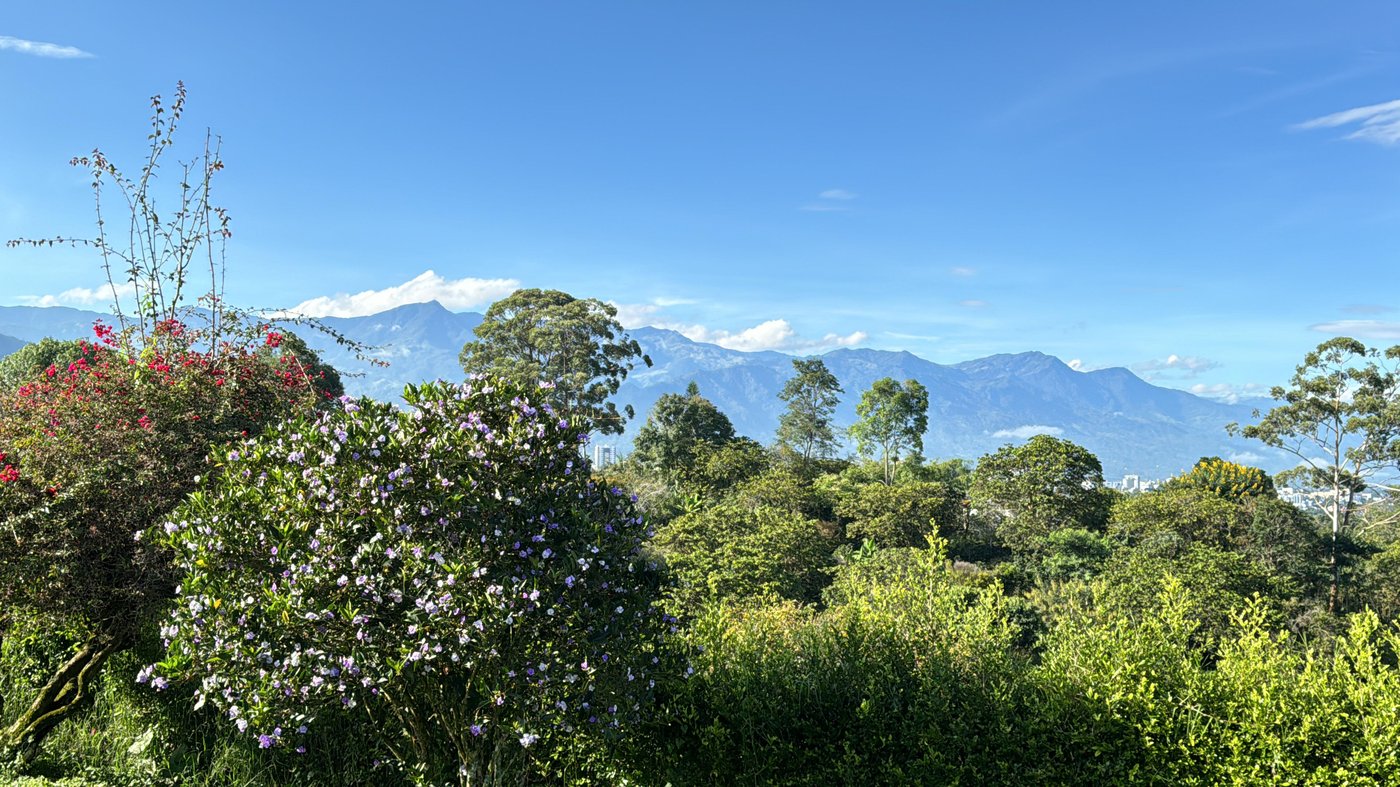
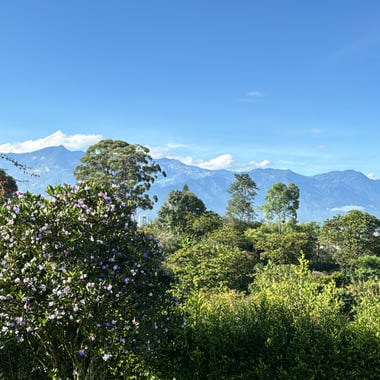
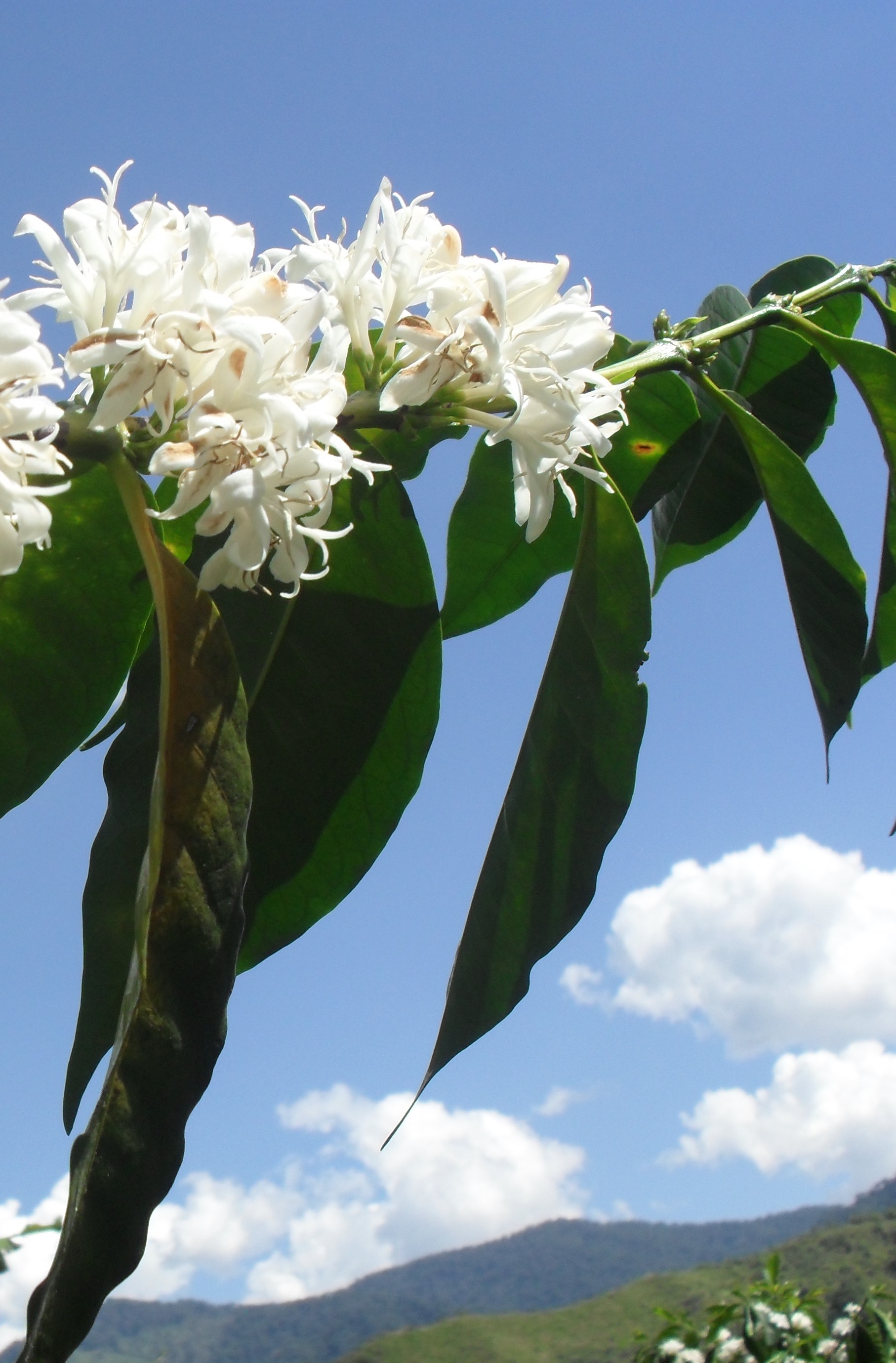
Views at Campo Hermoso farm
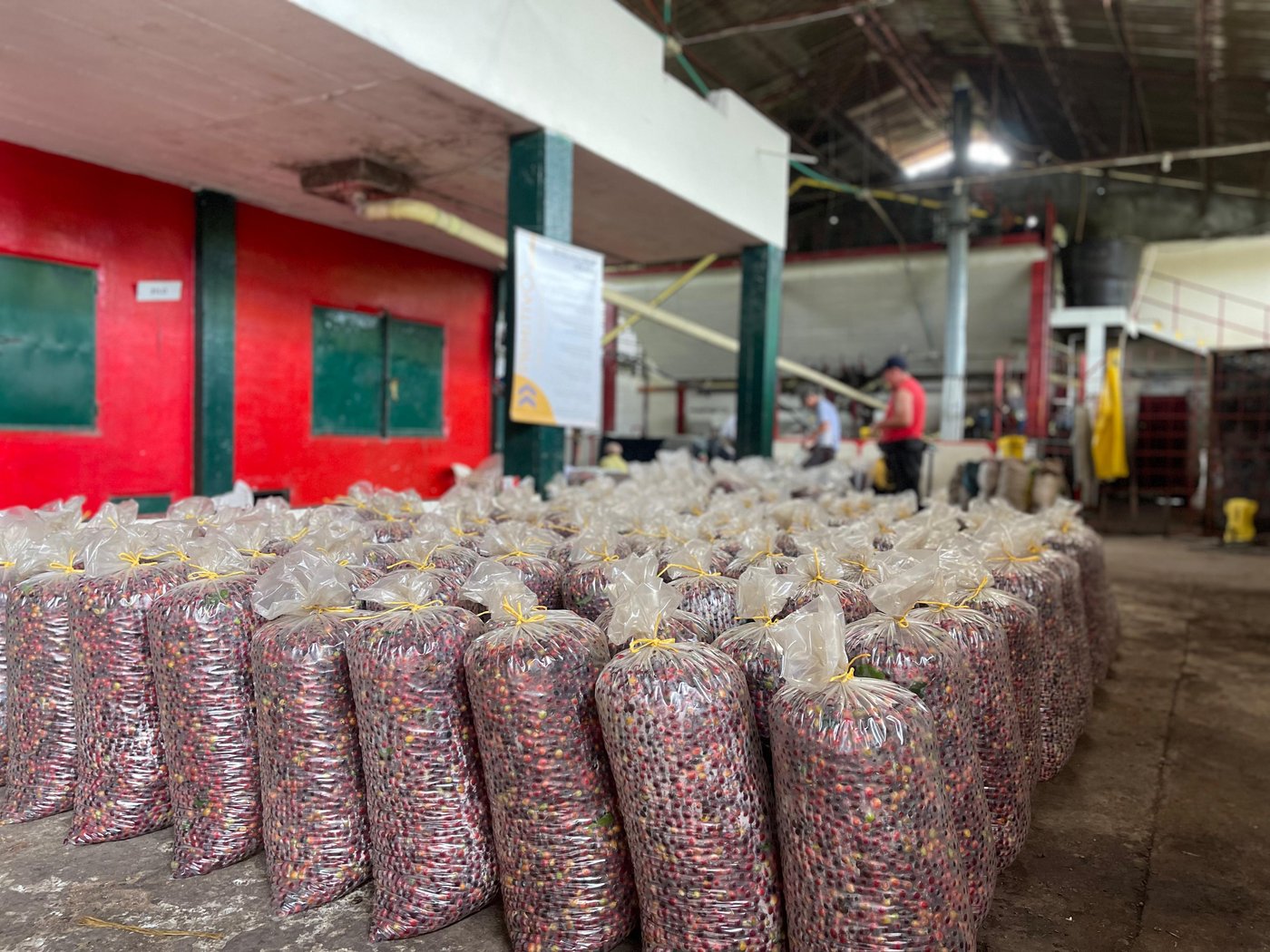
Coffee cherries awaiting the process stage at Campo Hermoso
About Edwin and Campo Hermoso
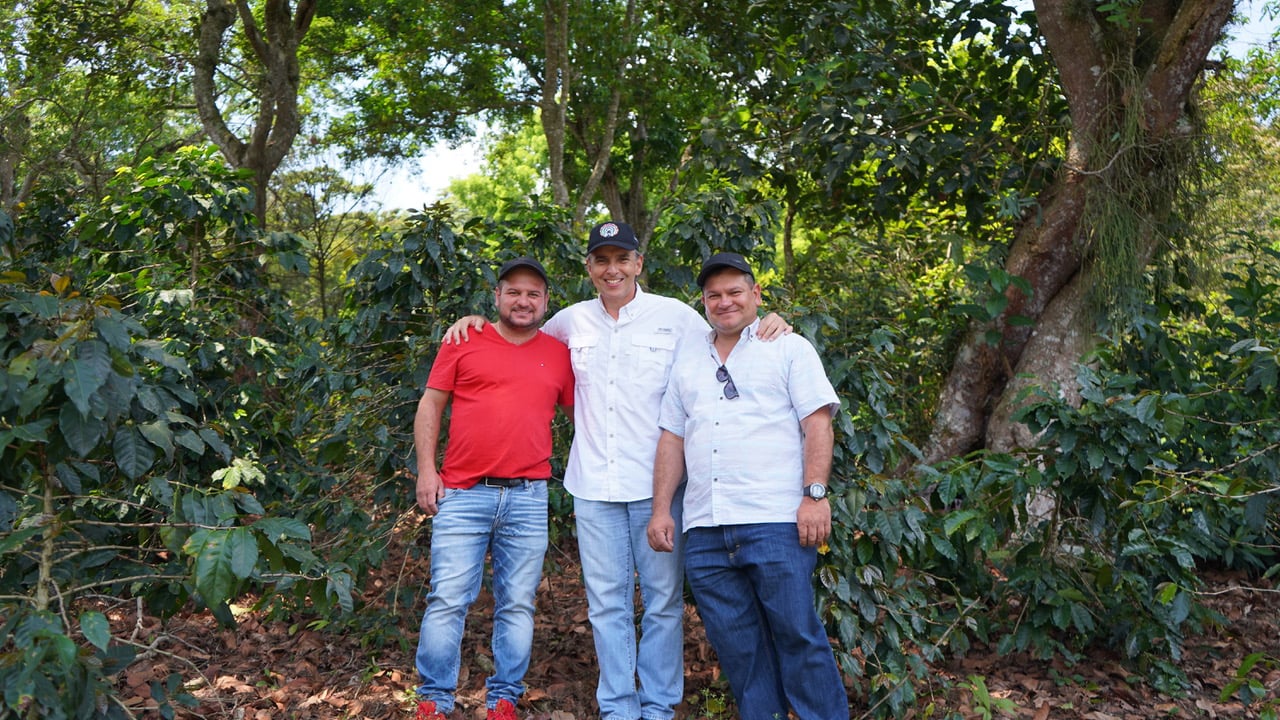
Finca Campo Hermoso is located in the Colombian department of Quindío. It’s owned and run by Edwin Noreña, a third-generation farmer, Q grader and agroindustrial engineer.
Very early on, he saw the potential of specialty coffee and transitioned his farm and system to produce into this side of the coffee market; at Finca Hermoso, they started producing high-quality and innovative lots that would later earn international recognition due to their placement in competitions.
Edwin is one of many small producers who work with the Santuario Project, which sources the most exceptional lots to market to clients who appreciate the story and effort behind them.
Over the last several years, Edwin has teamed up with Camilo Merizalde of The Santuario Project fame to build an innovative coffee partnership that’s pushed fermentation and processing techniques to dizzying new heights.