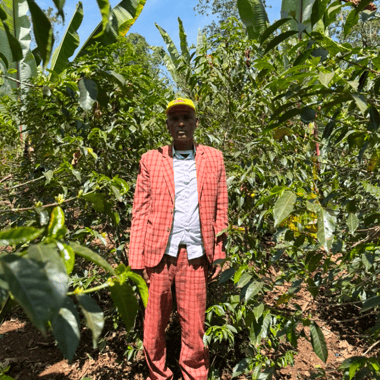
Very Special
This is a direct purchase, loaded with personal connection: Reuben met Pepe back in 2015, travelling together through Colombia with Caravela Coffee.
Pepe, who previously achieved fame as a mountain climber, was there to learn about coffee farming practices (he just started his own); Reuben was there to meet some dear producers (i.e. MFR) and secure some yum coffees.
Life went on, each doing their own thing.
A few weeks ago, in January 2026, a staff member brought in a few bags from other roasters to taste. One of them—which was delicious—listed Pepe Jijón as the producer. It took a minute to realise that it was the Pepe that Reuben met!
They reconnected and caught up.
Pepe said that his ride during the last decade has not been without hurdles. But now, he’s in a good spot: his coffee is being used in brewing competitions, as well as shared by international reputable roasters like Sey, Manhattan, Poma, Hydrangea… His story has even been featured in The Guardian.
And so, we got some of his coffee, too. This!
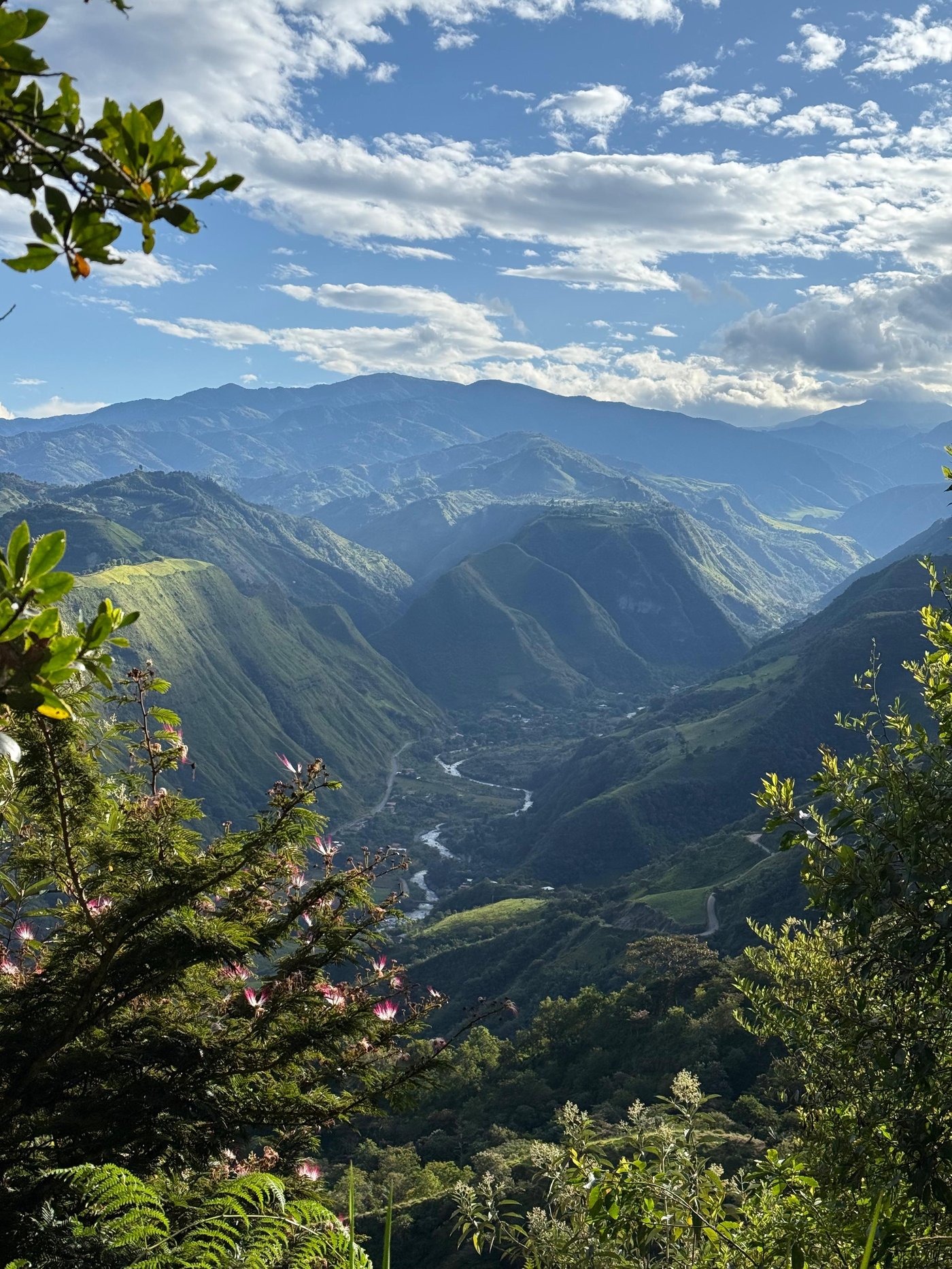
About Pepe Jijón
Pepe is an award-winning producer with a progressive outlook. Formerly an explorer and mountaineer, he brought a brave and open-minded approach to coffee-growing.
You can learn more about his story in this feature by The Guardian or watch this interview with Lance Hedrick.
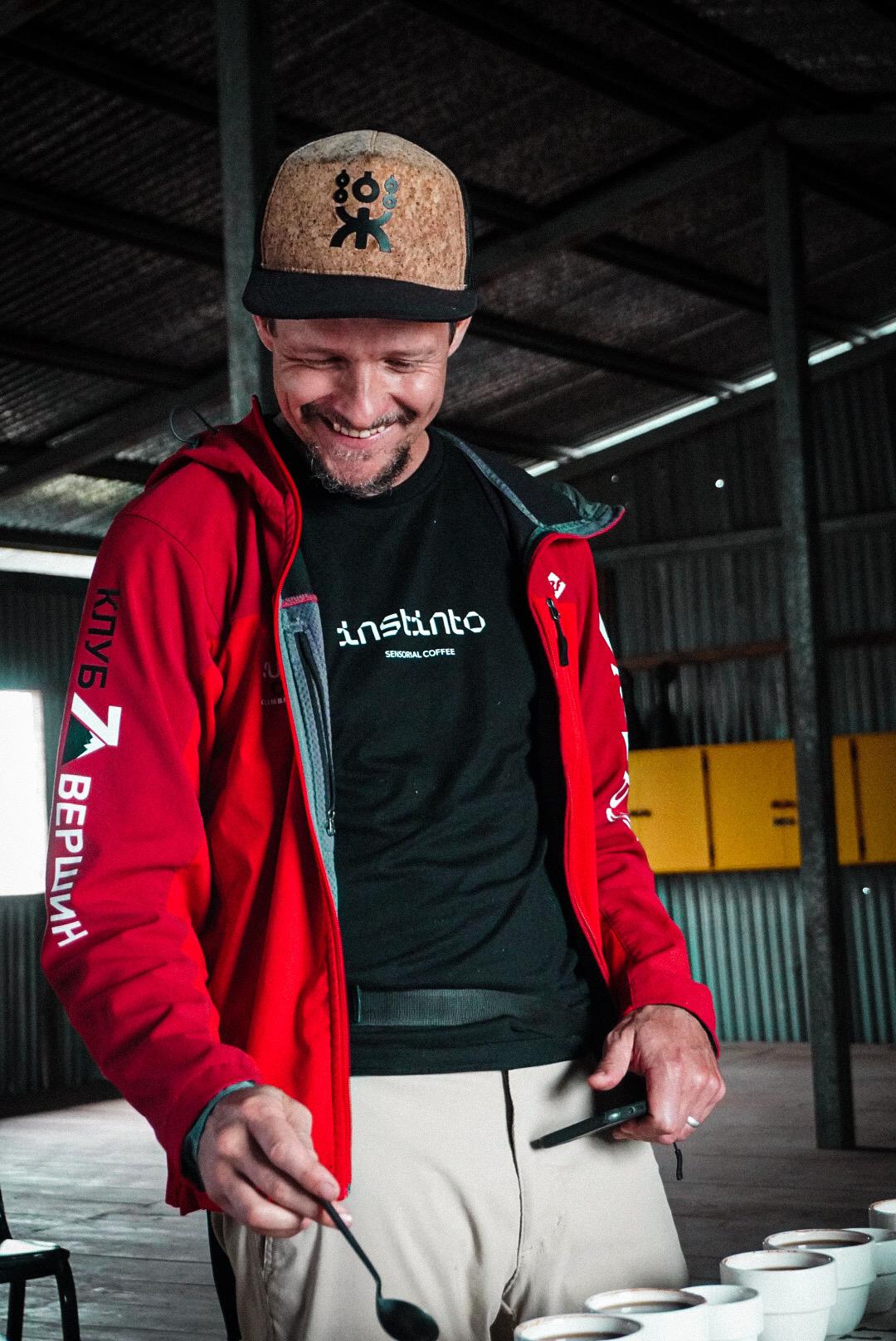
About Finca La Soledad
Here are some words from Pepe himself (via Flower Child Coffee):
“Soledad coffee philosophy Finca Soledad was born 2010 in the remote Intag valley, in a protected United Nations World Heritage GEOPARK. The farm is 120 hectares mainly of protected or replanted forests.
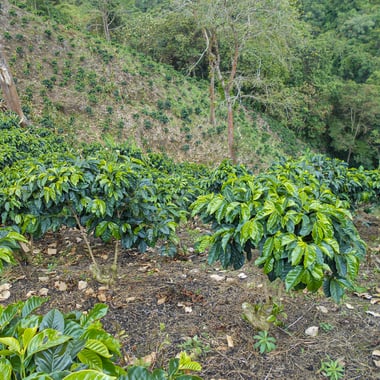
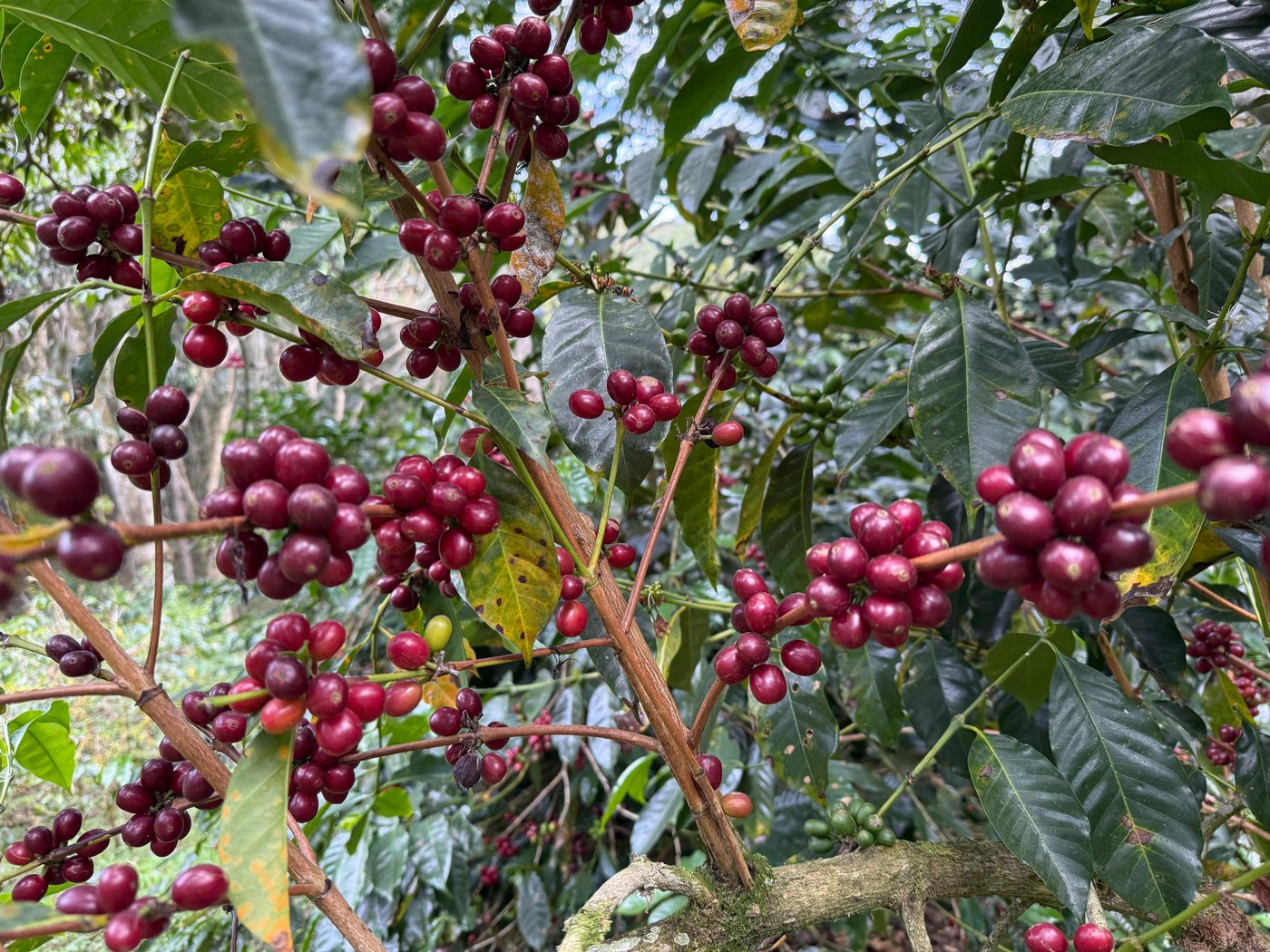
We grow coffee in only 5 hectares, mejorada, Sydra, Gesha and Panamá Gesha. We work in harmony with the environment and that is where we get our inspiration from …. Nature Wave philosophy embraces our respect and understanding of the silent language of nature. We aim to transform our coffee fruits into happy beans.
In our processes we try to cause the least amount of stress to the living embryo so that when finally roasted it shines, brings synergy to the cup and happiness to the responsible consumer. The variables we use, environment, temperature, time, pressure are modulated without extreme changes to avoid stress. We focus on energy. For drying we apply the same care, using only indirect sunlight and extended times to control water activity with both washed or natural, great care day and night is required.
Every lot we make is unique. An expression of the moment, the energy of the pickers, the balance of microorganisms, the weather…. All interact to create a work of art of nature & nurture”
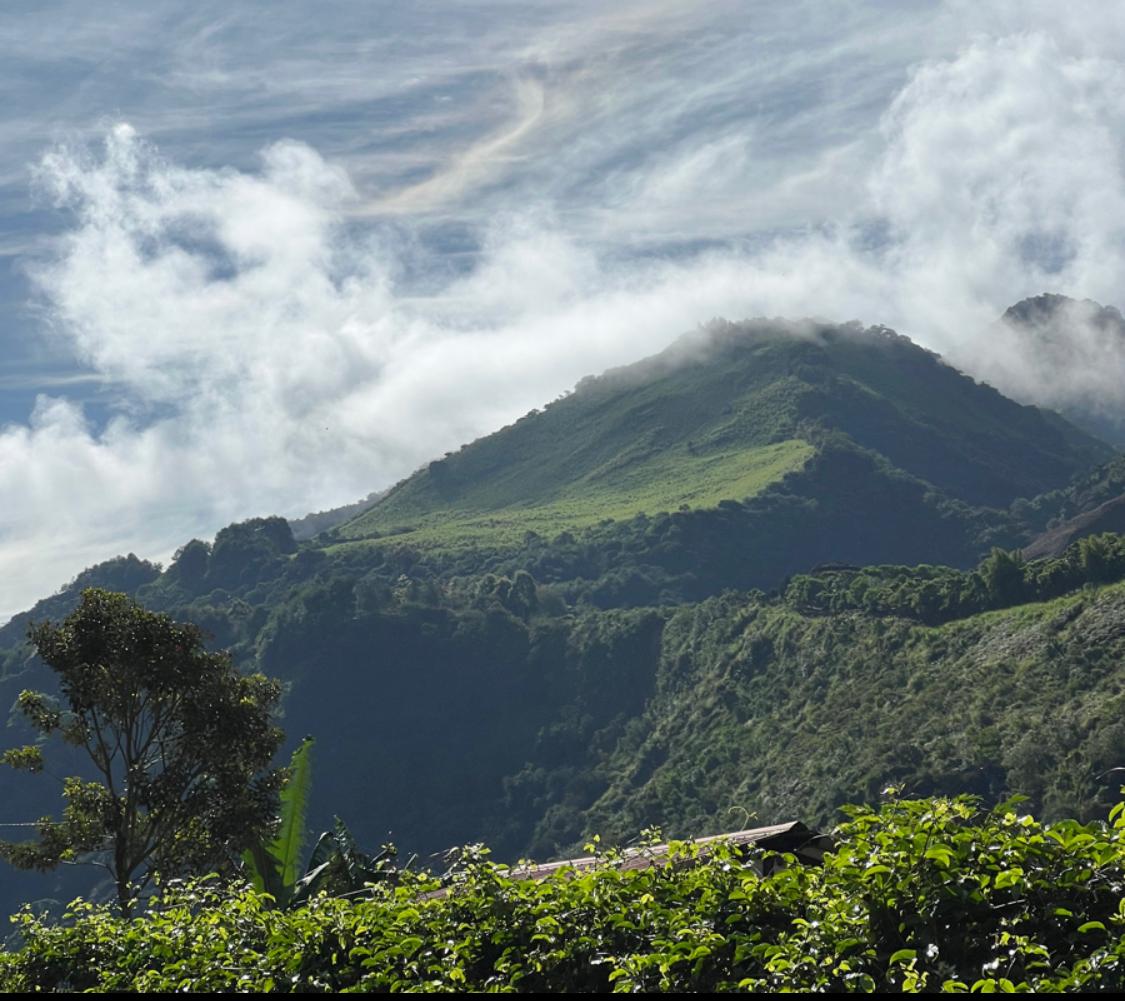
About the variety: Gesha
Edit 26/02: The variety name we originally assigned to this coffee lot, and as printed on labels with roast date 25/02, was ‘Panamá Gesha’. However, the correct reference (as per the literal info card) should be ‘Gesha’ or ‘Gesha (Panama Seeds)’.
We intended to match World Coffee Research’s variety naming or classification—Gesha (Panama) or Panamaian Gesha—but Pepe prefers us to use ‘Gesha (Panama Seeds)’ or simply ‘Gesha’ to avoid any confusion. Apologies if this has been the case. 🙏
Great info about this variety via World Coffee Research:
“This variety was originally collected from coffee forests in Ethiopia in the 1930s. From there, it was sent to the Lyamungu research station in Tanzania, and then brought to Centro Agronómico Tropical de Investigación y Enseñanza (CATIE) in Central America in the 1953, where it was logged as accession T2722. It was distributed throughout Panama via CATIE in the 1960s after it had been recognized for tolerance to coffee leaf rust. However, the plant’s branches were brittle and not favored by farmers so it was not widely planted.
The coffee came to prominence in 2005 when the Peterson family of Boquete, Panama, entered it into the "Best of Panama” competition and auction. It received exceptionally high marks and broke the then-record for green coffee auction prices, selling for over $20/pound.
There is significant confusion about Gesha because there are multiple genetically distinct plant types that have been referred to as Gesha, many of which share similar geographic origins in Ethiopia. Recent genetic diversity analyses conducted by World Coffee Research confirm that Panamanian Geisha descendent from T2722 is distinct and uniform. It is associated with extremely high cup quality when the plants are managed well at high altitude, and is known for its delicate floral, jasmine, and peach-like aromas.“
Geisha or Gesha?
"The spellings Geisha and Gesha are often used interchangeably, relating to the fact that there is no set translation from the dialects of Ethiopia to English. The coffee was first recorded in germplasm records with the spelling “Geisha,” and coffee researchers and germplasm banks have mostly maintained that spelling over many decades, leading that spelling to be promoted and used first in the coffee industry.
The coffee was originally collected in Ethiopia in a region close to a mountain whose name is most commonly rendered in English as Gesha. Consequently, many in the coffee industry have preferred to rescue that spelling.”
About the process: ‘wave’ washed
‘Wave’ is a term coined by Pepe, and it refers to the continuous temperature wave that goes from high (in the fermentation tanks) to low (in refrigerated drying rooms). This is supposed to keep the coffee ‘embryo’ alive and highlight the expression if each variety/cherry lot.
This coffee follows the classic washed process, where cherries are harvested and depulped on the same day, then fermented in tanks and thoroughly washed using fresh spring water.
The beans are subsequently dried slowly over 30 days on covered raised beds to ensure even moisture reduction and optimal flavour development. Most of this stage happens in an air-conditioned, dark room.