Very Special
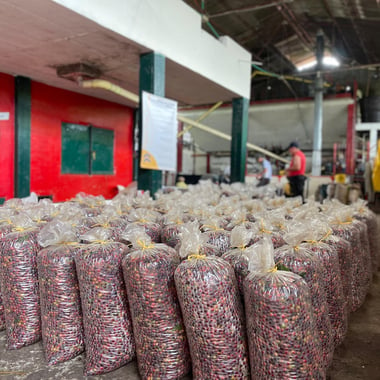
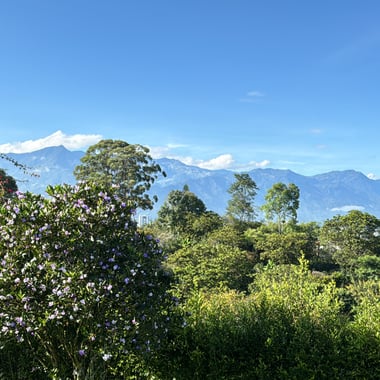
The Suke drying station, nestled in the hills of Shakiso, Guji, was established in 2017. For fives years, before the construction of the Sawana drying station and the Weessi washing station, Suke was the beating heart of Sookoo Coffee. Suke purchases cherries from roughly 35 smallholder farmers to produce Shoondhisa lots. This lot is from the Shoondhisa sub-kebele within the Suke Quto kebele.
Upon receiving the cherry, Sookoo sorted out any under or overripe cherry and then placed the cherry inside plastic containers for 72 hours. After this period of time in a reduced oxygen enviornment, the cherry was spread on drying tables where it was dried for roughly 25 days. The result is an incredibly clean yet deeply fruited coffee that has a baking spice complexity not frequently found in coffees from this region.
Sookoo Coffee
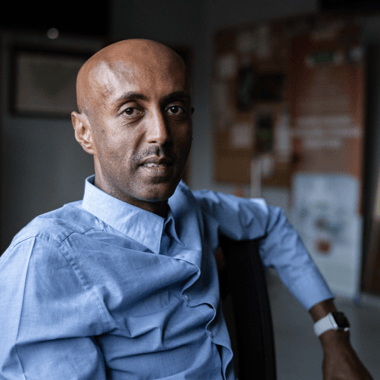
Sookoo Coffee represents one of Osito’s most foundational partnerships in Ethiopia, a key country of focus for us. They’ve been collaborating with Sookoo’s founder, Ture Waji, since our early days of sourcing in Ethiopia. Ture and his brother, Assefa, established the company (officially Dambi Uddo Agro Industry) in late 2018/early 2019. During that same harvest, Osito provided Dambi Uddo with their very first registered purchase contract.
Located in Odo Shakiso within the Oromia Region and Guji Zone of Ethiopia, Sookoo Coffee produces both naturally processed and washed coffees, using cherries sourced from the surrounding kebeles. Lots are typically named after the kebele from which the cherries originate.
Most of the cherries delivered are of two varieties: Gibirinna 74110 and Serto 74112. These varieties stem from the Metu Bishari selections made in the Illubabor Zone’s forest by the Jimma Agricultural Research Center (JARC) in 1974, chosen for their resistance to Coffee Berry Disease (CBD). Today, they are among the most propagated varieties in Ethiopia.
Sookoo Coffee began with one drying station in Suke Quto. For the first couple of years, this Suke station was the core of Sookoo, producing all the coffee Osito have purchased. In 2022, a second drying station was built in Sawana. By 2023, Weessi, the third station and the first with the capacity to produce wet- processed coffees, was added.